
For a brand doing $1m in annual sales, the ecommerce store is often the center of the universe. As you scale toward $10m, cracks in your digital-only mindset begin to show. Your customers experience your brand holistically and not in silos. They don’t distinguish between a social ad, a Shopify checkout, and a retail shelf.
If your digital data doesn’t talk to your physical touchpoints, you aren’t building an omnichannel customer experience; you’re just managing a series of disjointed events that can harm your brand strategy.
Reinventing the customer experience is vital after you pass the $1m in annual revenue to ensure you create delight in every interaction. Creating delight isn’t a random outcome, but the result of having predictable systems underpinning your shipping, omnichannel customer experience, and software.
To scale towards $10m in revenue, you need to stop treating your online and offline worlds like separate businesses. Instead, you need to see them as part of a joined up omnichannel customer experience.
This article will act as your roadmap that will help you to solve the high-level business problems and empower you to build a truly successful, seamless omnichannel customer experience.
What Is a True Omnichannel CPG Strategy?
The omnichannel handshake is the strategic moment where your digital data architecture meets your physical presence. It is the realization that your website and your retail stores must act as a single, unified ecosystem rather than competing interests.
At $1m in annual revenue, you might feel your online store and your retail partners are two different columns on a spreadsheet. At $10m, they must be the same conversation.
Marrying Data with Physical Prestige
Most CPG founders leave significant revenue on the table by ignoring the wealth of data captured during the digital journey. A sophisticated omnichannel customer experience uses digital insights to inform physical interactions.
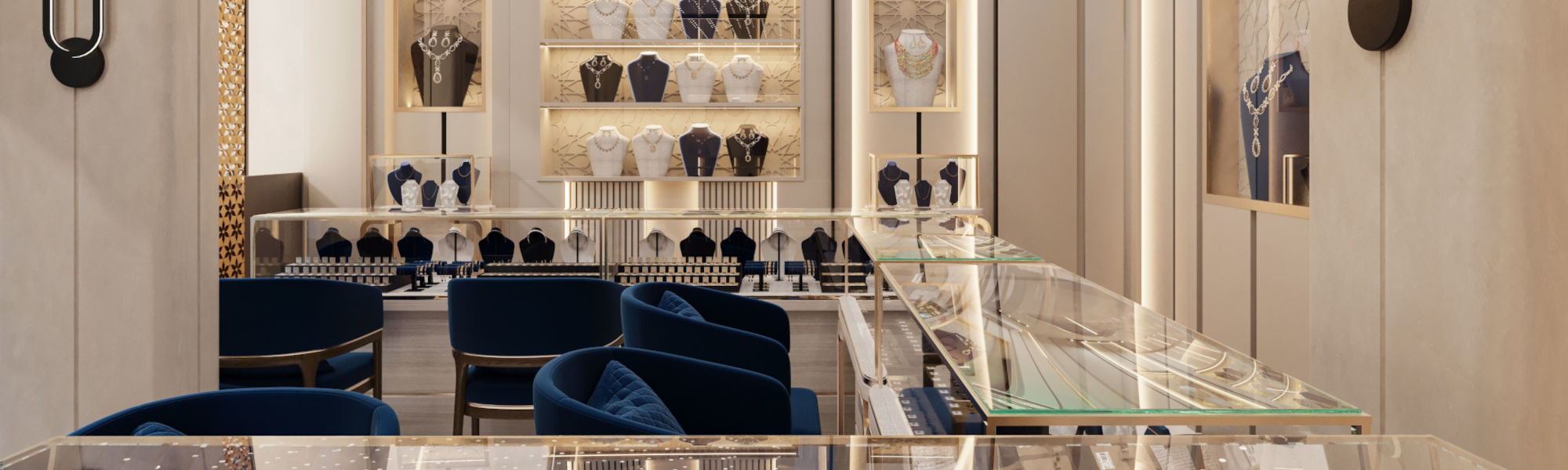
For example, if your analytics show a high concentration of “add-to-carts” for a specific jewelry collection in a particular geographic region, that data should dictate where you launch your next pop-up or which retail partner receives priority stock.
Marrying this data with the physical retail environment ensures the transition from a customer’s digital research phase to their tactile, in-person experience is seamless. They shouldn’t feel like they are meeting a new brand when they walk into a store; they should feel like the brand already knows them.
Creating a Wow Moment
To truly master this handshake, you must allow for a wow moment regardless of where the journey begins or ends. A customer might discover a specific drink at a high-end boutique (physical start), but if that store is out of stock, your team should be able to facilitate an immediate digital order that arrives at their home the next day (digital end).
Conversely, a customer might engage with your brand narrative through a personalized email campaign (digital start), which then triggers an invitation to an exclusive in-store tasting or viewing (physical end).
When the omnichannel customer experience merges the digital and physical worlds, you remove the friction of where to buy and replace it with the significance of why they’re buying from you. This infinite loop creates a brand moat that is incredibly difficult for competitors to replicate.
Building a Physical Brand Moat with Post-Purchase Excellence
At 8-figures in annual revenue, you’ve moved beyond simple fulfillment and into a realm where operations become a primary marketing asset. In a successful omnichannel customer experience, the brand narrative is either solidified or shattered the moment the customer interacts with the physical product.
Building a Physical Brand Moat
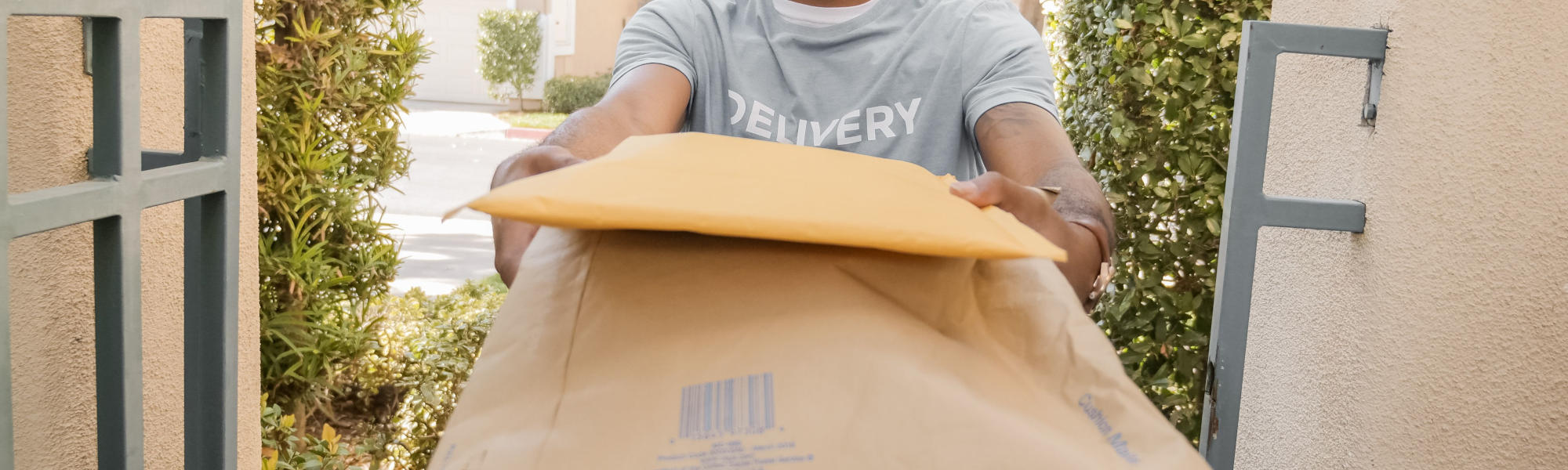
The arrival of a parcel is the most critical touchpoint in the entire customer journey. For brands in sectors like jewelry or drinks, this is where you increase the moat around your business.
Consumers care deeply about the tactile details: how the parcel is wrapped, the scent of the box, and the ease of opening the parcel.
If your digital presence promises a premium experience, but your physical delivery is lacking, you undermine your brand. To support a cohesive strategy, every physical touchpoint must validate the expectations shaped online.
Scaling the Boutique Feel
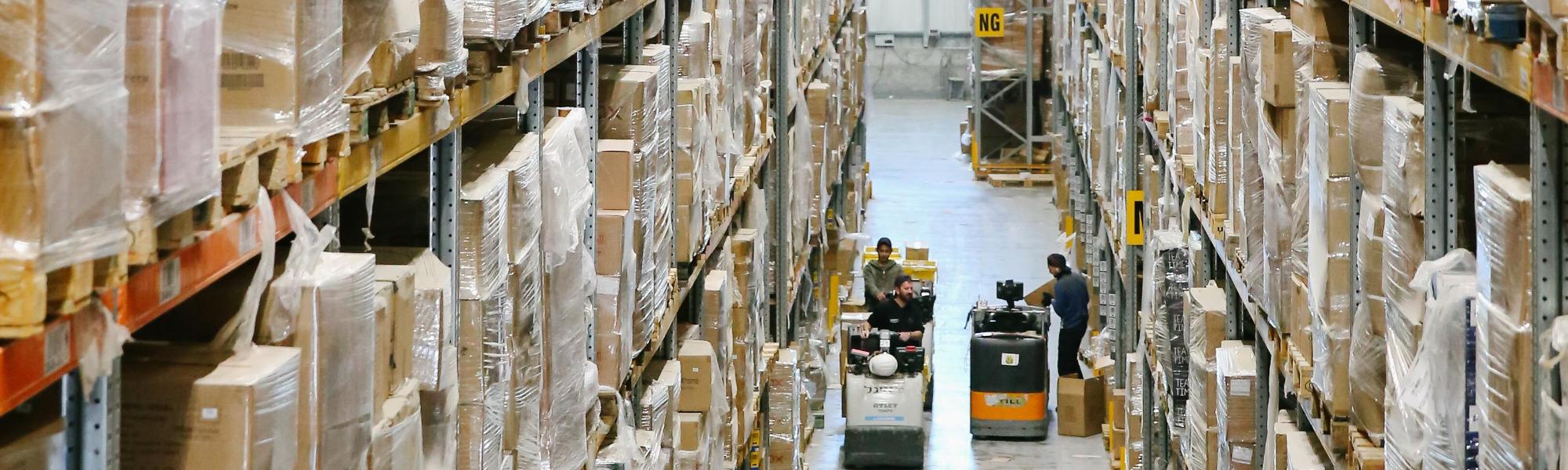
The challenge of scaling beyond $1m is maintaining that boutique feel at a significantly higher volume. Creating delight with every interaction is not a random outcome. It is the result of having predictable systems underpinning your shipping and operations.
To achieve this, you must document repeatable processes into SOPs, ensuring every customer receives the exact same high-level experience, regardless of whether you are shipping ten orders or thousands.
Documenting these systems allows your team to manage the machine without your constant input, turning your customer experience into a predictable asset that is attractive to investors.
Proactive Customer Management
As you grow, moving from a reactive support ticket mindset to a proactive customer success model is critical. In a fragmented ecommerce landscape, most brands wait for a problem to occur before engaging with the customer.
A strategic leader, however, builds a system that anticipates friction before it impacts the omnichannel customer experience and includes a feedback loop that catches potential issues and creates solutions that enhance customer delight.
Digital Concierge Model
Customer management should mirror a high-end concierge service rather than a generic help desk. This means using your data architecture to identify potential issues, such as a shipping delay in a specific region or a recurring product query, and addressing them before the customer even thinks to reach out.
By implementing a proactive customer service management system, you reinforce the significance of your brand and justify your premium price points. This level of care turns a transactional relationship into a long-term partnership, which is vital for building a business that is not solely dependent on the founder.
Retention as a Growth Lever
You can’t scale on new customers alone; you need returning customers. A proactive management system ensures buyers move beyond a single purchase and become lifelong advocates who spread the word within their inner circles.
When your team manages the customer journey with commercial excellence, you drive up your Customer Lifetime Value (CLV). This predictable recurring revenue creates strong cash flow and a positive EBITDA.
Choosing the Right Tech Stack to Deliver a Consistent Omnichannel Customer Experience
Your omnichannel customer experience is only as strong as the software and architecture supporting it. At the $1m mark, you can often duct tape different apps and platforms together. However, as you scale, your technical infrastructure must be built for flexibility and speed.
Role of Headless Commerce
For high-growth brands, off-the-shelf templates often act as a ceiling that can restrict the omnichannel customer experience.
This is where headless commerce becomes a strategic necessity. By decoupling your front-end customer experience from your back-end operations, you gain the technical freedom to create unique, immersive digital experiences that mirror the sophistication of your physical touchpoints.
A headless architecture allows your digital data to flow seamlessly into your retail systems. Whether a customer is scanning a QR code in-store or browsing on their mobile, the experience remains consistent. This platform-agnostic approach ensures you aren’t locked into a single ecosystem, giving you the agility to pivot as your brand grows.
AI and Personalization at Scale
Maintaining a boutique feel becomes increasingly difficult as your customer base grows into the tens of thousands. To solve this, your infrastructure must leverage AI-driven personalization.
This isn’t about generic “you might also like” widgets. It’s about using machine learning to predict when a customer might need to reorder drinks or suggesting a jewelry piece that complements a previous purchase.
Integrating AI into your tech stack allows your team to deliver a concierge feel at mass-market scale, ensuring that your omnichannel customer experience delivers delight at every touchpoint.
How to Measure Omnichannel CX Performance
Moving beyond feelings to hard data can be tricky. In an omnichannel environment, tracking delight isn’t about reading positive comments on social media. It’s about identifying the data points that prove your infrastructure is functioning as a joined-up machine.
Rather than looking at isolated metrics, you’ll want to start analyzing the numbers that define the health of your entire brand ecosystem.
Unit Economics and Growth Dashboards for Multi-Channel CPG
Most founders are overwhelmed by the volume of data available. A strategic leader ignores the noise and focuses on a core Growth Dashboard that prioritizes omnichannel health. This includes tracking:
- Omnichannel Retention Rate: Are customers who engage with you in-store more likely to purchase online, and vice versa?
- Time to Resolution: In your proactive management model, how quickly are potential frictions identified and solved before they reach the customer?
- Touchpoint Attribution: Which physical events or digital experiences are driving the highest CLV?
By focusing on these numbers, you move away from vanity metrics and toward a clear understanding of how your customer experience impacts your bottom line.
Impact on EBITDA and business value
Ultimately, every system you build is designed to drive EBITDA growth. When you can prove through data that your omnichannel customer experience leads to predictable repeat revenue and high margins, your business becomes a high-value asset.
Moving from Founder-Led Operations to a Scalable Omnichannel Infrastructure
Building a seamless omnichannel customer experience is not a luxury. It is a necessity for any CPG brand looking to scale to 8-figures in annual sales. When you move away from disjointed events and toward a unified, professional infrastructure, you transform your brand from a founder-led hustle into a self-managing machine.
By architecting the omnichannel handshake and prioritizing post-purchase excellence, you create a brand moat that protects your margins and builds long-term equity. This machine allows you to step back from the day-to-day tasks and focus on your role as a growth strategist.
Stop treating your online and offline worlds as separate businesses. Start building the joined-up omnichannel customer experience for your CPG brand that allows you to build a valuable business you can exit on your own terms.
Ready to move beyond the cycle of tactical experimentation and adopt a more strategic approach to growth?