
The D2C model remains an incredible engine for early velocity, real-time market testing, and capturing first-party data. Scaling to $10 million in annual revenue will involve exploring other avenues to get your products into more hands. One way is B2B Wholesale.
At some point in your D2C journey, you’ll hit a plateau. You’ll see rising customer acquisition costs, fluctuating platform algorithms, and the sheer fragmentation of online attention create a ceiling that’s hard to penetrate.
Expanding to add a B2B wholesale channel is not an abandonment of your direct roots. Rather, it’s an evolution into a highly resilient, hybrid commerce ecosystem. You’ll notice that each side of the business grows the others, allowing for more consistent and predictable cash flow.
Moving from individual parcel delivery to pallet-level retail distribution requires a fundamental shift in business operations, corporate strategy, and financial planning. This article breaks down the exact operational blueprints, pricing models, and supply chain adjustments required to successfully move your brand beyond D2C and build a sustainable, high-growth B2B wholesale engine.
Hitting The B2C Ceiling
Every successful direct-to-consumer brand is built on a similar foundation. They have a great product, a clear narrative, and a highly optimized digital acquisition funnel. In the early stages of growth, this model is incredibly efficient.
You possess a direct line to your customer, enjoy high gross margins, and can iterate on product feedback in real time. However, as you approach the multi-million dollar mark, the digital landscape begins to shift. The strategies that easily propelled your business from zero to $1 million in sales rarely possess the structural stamina to carry you to $10 million.
At some point, you’ll experience the CAC trap. On modern paid marketing channels, the law of diminishing returns is aggressive. Early on, platform algorithms find your core enthusiast market with ease. But once you exhaust that initial high-intent demographic, finding the next cohort of customers requires significantly more capital.
You notice your spending doubles, and yet you maintain the same baseline conversion rate, causing your blended CAC to spike and systematically eroding your net margins.
Beyond escalating advertising costs, relying solely on a single digital pipeline exposes your enterprise to immense platform risk. A single policy shift, privacy update, or minor algorithm tweak from Meta or Google can instantly throttle your traffic overnight. For a scaling business with fixed overhead, inventory commitments, and staff payroll, this level of vulnerability is highly dangerous.
Expanding into B2B wholesale breaks this cycle by transforming your relationship with the consumer. Instead of viewing retail distribution as a competitor to your online store, strategic founders realize that physical shelf space serves as a powerful customer acquisition vehicle.
Placing your products in established brick-and-mortar storefronts creates millions of organic consumer touchpoints without a cent of additional ad spend. The consumer discovers your brand on a retail shelf, experiences it, and frequently transitions into a lifetime digital subscriber on your e-commerce site.
By moving beyond a pure-play digital model, you insulate your business from platform volatility, stabilize your customer acquisition costs, and build a highly resilient, diversified foundation for true scale.
Financials of Hybrid Commerce
Adding a B2B wholesale channel requires you to evaluate your company’s financials. In a pure-play D2C environment, gross margin is king. You control the retail price, and the spread between your unit cost and the checkout total is wide and forgiving.
Wholesale operates on entirely different financial mechanics. To successfully scale a hybrid model, you must stop looking at margins in isolation and start managing your overall contribution margin and cash flow cycles.
The first major hurdle is the reality of margin compression. When selling directly to a consumer, you might enjoy an 80% gross margin. When you enter the B2B wholesale arena, margins fundamentally shift. To get onto store shelves, you must account for the margins required by both distributors and retailers.
Typically, a major retailer expects a 30% to 50% margin, while a distributor will take an additional 15% to 25%. This means your wholesale price will often be 50% to 60% lower than your D2C retail price. If your cost of goods sold (COGS) is not optimized, this compression can instantly vaporize your profitability.
However, looking strictly at the lower percentage margin misses the macro-economic benefit of B2B wholesale: volume efficiency. While a D2C order comes in unit by unit, B2B wholesale orders arrive in pallets and truckloads. This massive volume unlocks economies of scale in your manufacturing and supply chain.
Purchasing raw materials in significantly larger quantities allows you to negotiate much lower unit costs with your manufacturers. This reduction in COGS doesn’t just protect your wholesale profitability; it simultaneously expands the gross margins of your D2C channel, making your entire enterprise more profitable.
The second financial friction point is the shift in your working capital cycle. In a D2C model, the customer pays instantly at checkout, and the funds clear into your bank account within days. B2B wholesale operates on credit terms. Retailers demand Net 30, Net 60, or even Net 90 payment terms.
This introduces a dangerous cash flow gap for high-growth brands. You must pay your manufacturer upfront to produce a massive run of inventory, pay the logistics fees to ship it to a retail distribution center, and then wait up to three months to receive payment for those goods.
Managing this working capital crunch requires rigorous forecasting, strict cash reserves, and often, strategic financing options, such as lines of credit or factoring. Understanding and planning for this capital delay is the ultimate differentiator between a brand that scales to $10 million and one that goes bankrupt from growing too quickly.
Operational Infrastructure for B2B Wholesale
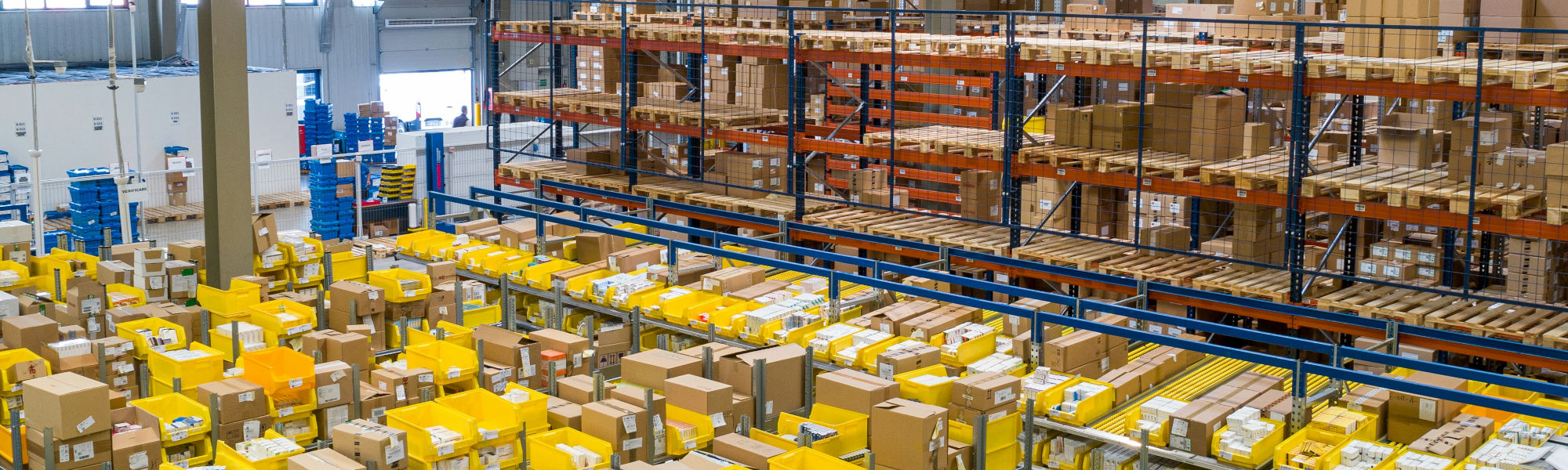
D2C uses a relatively simple logistics model. Your team can optimize sending individual parcels, ensuring efficient pick-and-pack, fast shipping, and easy returns.
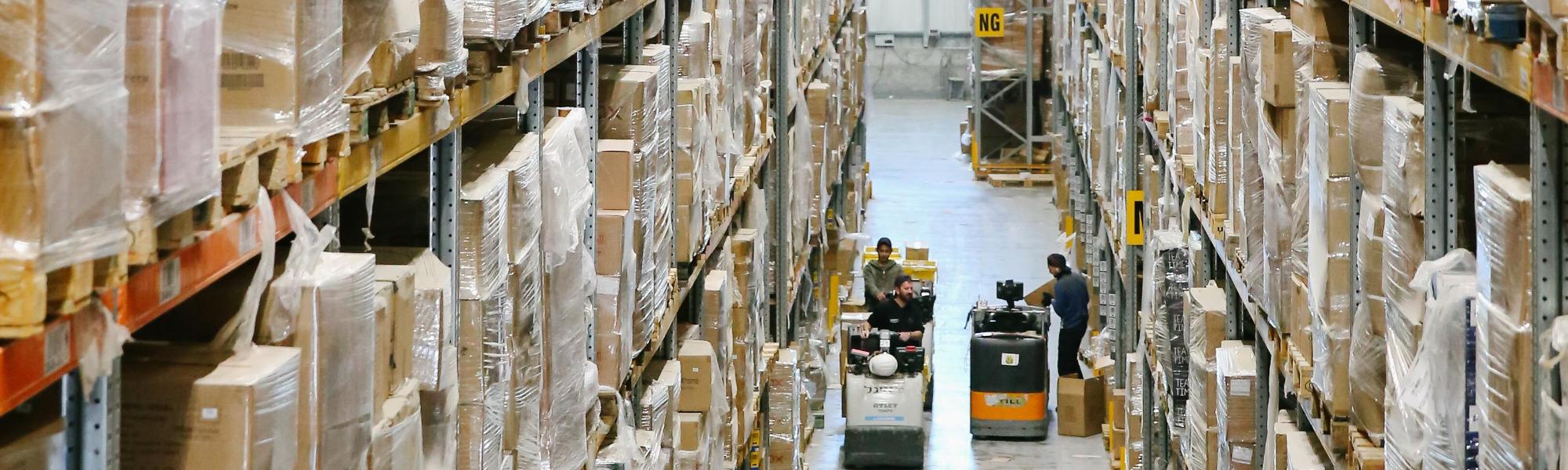
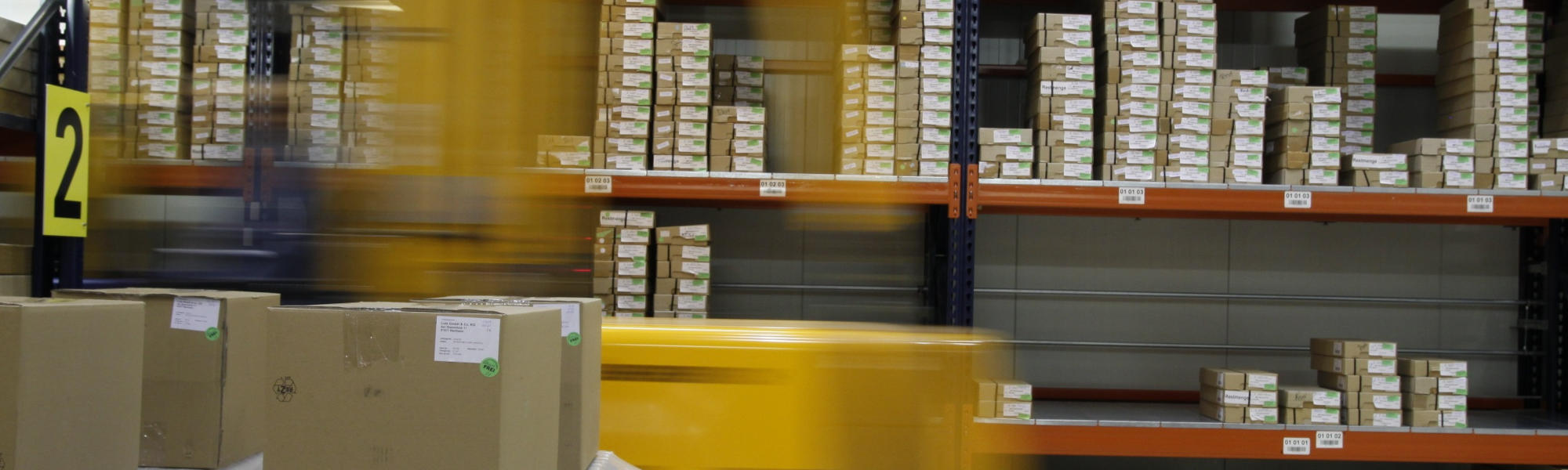
Moving into B2B wholesale requires rebuilding your operational infrastructure. You are no longer moving individual units; you are moving pallets, less-than-truckload (LTL), and full-truckload (FTL) freight.
The first major operational evolution involves compliance and logistics routing guides. While an e-commerce customer is incredibly forgiving of a minor shipping delay or an oddly shaped box, major retail distribution centers are utterly ruthless. When you secure an account with a large retailer, they will issue a comprehensive routing guide that dictates exactly how products must be packed, labeled, and delivered.
These guidelines cover everything from the specific dimensions of the pallets used to the exact placement of barcodes. Failing to meet these strict specifications can result in costly financial penalties deducted directly from your invoice payment. Repeated compliance failures can destroy your relationship with a retailer before your products even hit the shelves.
To survive this transition, your warehouse operations must evolve from a flexible fulfillment center into a highly disciplined, automated logistics engine.
This operational shift also requires an upgrade to your technology stack. Big-box retailers and major distributors manage their procurement through Electronic Data Interchange (EDI) systems rather than standard email or web portals.
An EDI system allows a retailer’s inventory management software to communicate directly with yours, automatically sending purchase orders, advanced shipping notices (ASNs), and invoices. Integrating EDI compliance into your existing enterprise resource planning (ERP) system is a necessity if you want to scale beyond independent boutiques.
However, before you start pitching national big-box retailers, you can build your initial B2B wholesale framework by targeting independent stockists and regional boutiques. For this phase of growth, you don’t need a complex EDI infrastructure.
Instead, you can leverage your existing e-commerce setup by launching a self-service B2B wholesale portal. By utilizing dedicated wholesale applications built on top of your current platform, independent retailers can log in, view tier-based wholesale pricing, check real-time stock availability, and place orders directly using credit terms or credit cards.
This allows you to stress-test your bulk fulfillment capabilities, train your operational team on pallet logistics, and build predictable B2B wholesale volume without drowning in technical complexity early on.
Strategic Channel Harmony
A primary concern for D2C founders expanding into retail distribution is channel conflict. It is easy to worry that physical store placement will cannibalize existing online sales, or that retail partners will become frustrated if the brand offers aggressive discounts online.
However, managing a hybrid commerce model successfully is not about choosing one channel over the other; it is about creating a symbiotic ecosystem where both pathways protect and reinforce each other.
The foundation of channel harmony is a strict Minimum Advertised Price (MAP) policy. A MAP policy is a legal framework that establishes the lowest price a retailer can publicly advertise your product for. Without a clearly defined and enforced MAP policy, retail partners may begin discounting your products to undercut each other or to compete directly with your website.
This race to the bottom erodes your premium brand positioning and damages your relationships with independent stockists who cannot afford to slash their margins. By enforcing a strict MAP policy across all B2B accounts, you maintain absolute pricing parity, ensure fair competition, and protect the financial health of your retail network.
Beyond pricing agreements, you can maintain channel harmony through strategic product differentiation. You do not have to offer your entire product catalog to every retail store. In fact, keeping certain core items, high-margin bundles, or flagship product variants exclusive to your D2C channels gives online shoppers a compelling reason to keep buying straight from you.
Simultaneously, you can design exclusive product sizes, multi-packs, or specific flavor and scent profiles tailored uniquely to the needs of physical retail environments. For example, a home fragrance brand might sell individual luxury candles on its e-commerce site while providing specialized three-pack gift sets exclusively for retail stockists.
This product architecture eliminates direct competition between your online store and your physical retail partners, allows you to satisfy different consumer purchasing behaviors, and maximizes the overall revenue potential of both channels.
Enterprise Scale Roadmap
Adding a B2B wholesale division to an established D2C business should be executed in deliberate, calculated phases. Attempting to transition overnight from a pure digital framework to national retail distribution can overwhelm your supply chain, strain your working capital, and disrupt company focus.
A structured approach ensures that you protect your baseline direct-to-consumer cash flow while systematically building a robust wholesale engine and successfully expanding into new markets.
Phase 1: Local Testing and Asset Preparation
The first step involves creating the foundational assets required to sell to retail buyers. This means designing a comprehensive wholesale catalog and a digital linesheet that clearly displays your product variants, case pack quantities, minimum order quantities (MOQs), and suggested retail pricing.
Instead of chasing national accounts immediately, begin by targeting independent boutiques and regional stockists. You can easily manage this initial outreach by launching a self-service B2B portal directly on top of your existing e-commerce setup. This low-risk entry point allows your warehouse team to practice packing master cartons and handling freight logistics without the pressure of strict compliance penalties.
Phase 2: Regional Mid-Market Expansion
Once your internal team handles bulk logistics with confidence, begin expanding your reach to larger regional retail chains and specialty distributors. This phase usually involves partnering with independent sales agencies or retail brokers who already possess established relationships with category buyers.
During this stage, your financial focus shifts heavily toward managing working capital. Because regional accounts expect credit terms, you will need to establish robust inventory forecasting models to ensure you can fund the production cycles required to keep both your direct-to-consumer store and your growing retail network fully stocked.
Phase 3: National Distribution Strategy
The final phase involves pitching national big-box retailers and global distribution networks. At this level of scale, your operations must be fully integrated with automated electronic data interchange (EDI) software to manage purchase orders and automated shipping notices seamlessly.
By this point, your hybrid commerce model achieves full synergy. Your D2C site continues to generate high-margin revenue and priceless first-party consumer data, while your national retail presence provides the massive, predictable volume required to scale your manufacturing efficiency and carry your business toward the eight-figure mark.
Unlocking Growth with B2B Wholesale
Ready to move beyond the cycle of tactical experimentation and adopt a more strategic approach to growth?