
Ecommerce stores can feel static, cold, transactional, and lacking the human connection. Your customers want to feel the brand and have a personalized experience. Sadly, delivering this at scale is tricky. Thankfully, live shopping can be part of the solution, bringing life to your store!
Live shopping, or as it’s often called, live commerce, is fundamentally changing how people discover and buy products online.
What is live shopping? Simply put, it’s the seamless fusion of video streaming, real-time social interaction, and instant purchasing. Think QVC meets TikTok, all integrated directly into a brand’s website or a major social platform.
In Asia, it’s big business and more businesses in the West are embracing it. The global live shopping market is projected to hit a staggering $2,469.06 billion by 2033, according to research by Grand View Research. For ecommerce operators, you don’t want to sleep on live shopping!
In this guide, we’ll explore why brands are using live shopping. I’ll also walk you through how to get started with a clear, actionable 5-step launch plan.
Why Live Shopping is Reshaping Ecommerce
Live shopping succeeds where traditional ecommerce fails, as it creates a deeper connection between the buyer and the seller. It allows the customer to shop as they would in a retail environment without leaving home!
Higher conversion rates
Taking customers on an emotional journey is part of live shopping. One result of this is a lift in the conversion rate. Most online stores convert 2 to 3% of visitors. Live shopping events result in a conversion rate of 20% or higher.
Watching someone demonstrate a product can help a customer overcome their concerns. With a TV, for example, you can show the inputs and outputs. If you’re selling clothing, the viewer can really see if their bum would look big in it!
Typically, a website visitor might take a few steps to convert into a customer. Live shopping could reduce this to a single step.
Building trust and authenticity
A tip my first business bank manager said to me was “people buy from people they like”. Live commerce brings the knowledgeable shop assistant or trusted friend onto the screen.
The host, whether the brand’s founder, product expert, or influencer, creates a genuine connection and social proof. Viewers can ask detailed questions in the live chat and get immediate, personalized answers.
These interactions build brand loyalty faster and more effectively than any glossy, pre-recorded video.
Reducing returns
Returns are unsexy but can kill your ecommerce business in a heartbeat. Some niches see returns as high as 30% of sales. Many of these returns are due to a mismatch between a customer’s expectation and the physical product.
As viewers can see the product in action on a live shopping event and not just a static 2d image, the customer knows exactly what they are purchasing, leading to fewer surprises and lower return rates.
Urgency and FOMO
Live commerce is built on scarcity and urgency. Limited-time deals, flash sales announced during the stream, or seeing an inventory counter actively dropping, drives impulse buying. Seeing others purchase and express excitement in the live chat amplifies the Fear of Missing Out (FOMO), turning passive viewers into active buyers.
How to Get Started: A 5-Step Live Shopping Launch Plan
If live shopping sounds like something you’d like to try but you have no clue where to start, don’t worry. I have a 5-step plan that will set you up for success.
Step 1: Define your goals and products
Before you go live, know what you want to achieve and what will sell the best.
- Set clear KPIs: Focus on a single goal. It could be achieving a specific sales target, driving brand awareness, or acquiring new email subscribers.
- Select winning products: Start small. Pick 3 to 5 of your best-selling products to cover in the live event. You can also include a new product release, as this is a great way to capture attention.
Step 2: Choose the right platform
Your platform choice depends entirely on your existing audience and how much control you need.
- Audience: Where do your existing customers spend time? It could be Facebook, Twitch, or YouTube. That’s likely where your first stream should be hosted.
- Platform:
- Your Website: It gives you full control over the customer journey, transaction data, and branding, ensuring the sale happens on your property.
- YouTube Live: Great for long-form education, detailed tutorials, and integration with ecommerce tools like Shopify.
- TikTok Live: Best for quick, trending product features, viral reach, and tapping into a younger demographic.
- While Instagram and Facebook were early pioneers, many brands are shifting away from Meta’s platforms for dedicated live commerce as Meta has sadly deprioritized direct sales features.
Step 3: Write a script (but stay flexible)
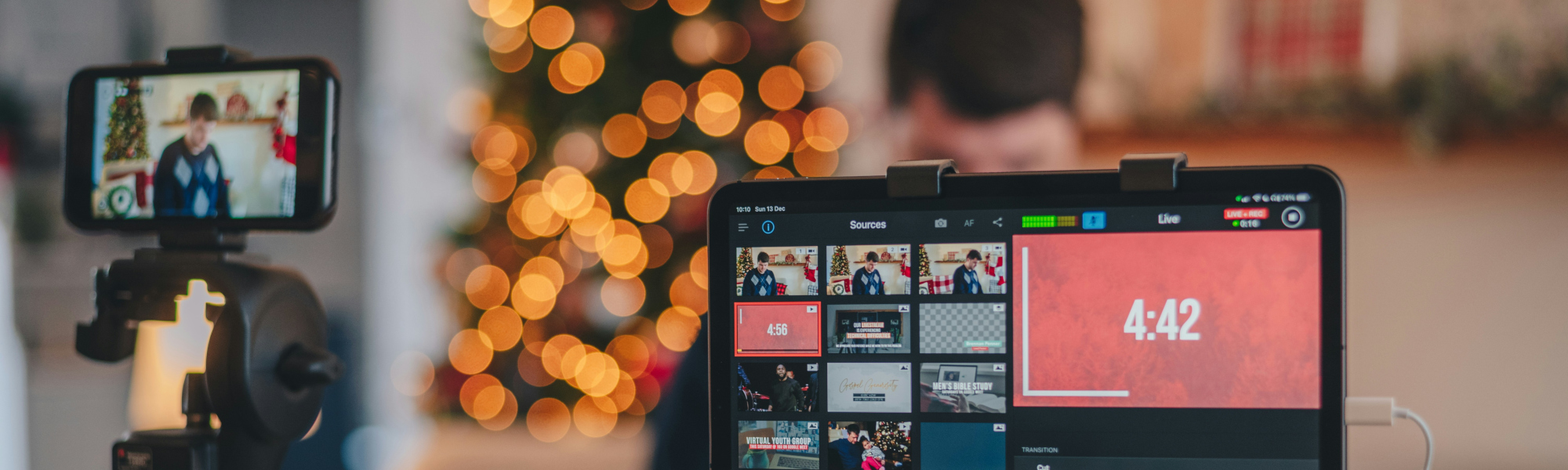
A successful stream is edu-tainment, and is a mix of education and entertainment.
- Prep the host: Select an engaging, energetic host. Their enthusiasm is the most important element. You should pick someone who’s great at thinking on their feet and isn’t easily distracted.
- Structure is key: Every stream needs a clear opening (what you’ll show, the special deals are), compelling product demonstrations, a dedicated Q&A session, and a clear CTA (to buy or sign up for emails).
- Allow room for chaos: Test your tech (audio, lighting, internet) beforehand. You’ll want to embrace the live format, giving space to respond to viewer comments and allowing time for authenticity.
Step 4: Promote, Promote, Promote
The biggest mistake is assuming viewers will just show up. You must market the event aggressively.
- Use all marketing channels: Leverage your existing marketing engine: dedicated email blasts, Instagram Stories countdowns, website banners, and short teaser videos (Reels/Shorts).
- Create incentives: Promote exclusive deals or giveaways that are only available to those who tune in live. This is essential for converting awareness into attendance. Again, think about FOMO!
Step 5: Execute, Analyze, and Iterate
The work doesn’t stop when the camera turns off.
- Execution day: Ensure products are stocked, and any purchase links are easy to access.
- Analysis: Immediately track your KPIs and goals. Take time to reflect on sales generated, engagement rate (comments/questions), and which products performed best.
- Repurpose content: Convert the recording into short, high-energy clips for social media and make the full recording available on your product pages. A single live event can become weeks of marketing content if repurposed correctly.
Future of Ecommerce is Live Shopping!
Live shopping isn’t a trend or another marketing channel that’ll soon be eclipsed. It’s the natural evolution of how people want to shop online. Live commerce bridges the gap between selling online and the trust of a physical, human interaction.
If you want to be at the forefront of the market, investing in live shopping is essential. It’ll help you drive more conversions, enable you to build trust, and future-proof your business.
Need a partner who can design your rocket-fuel ecommerce growth strategies and supervise their execution?