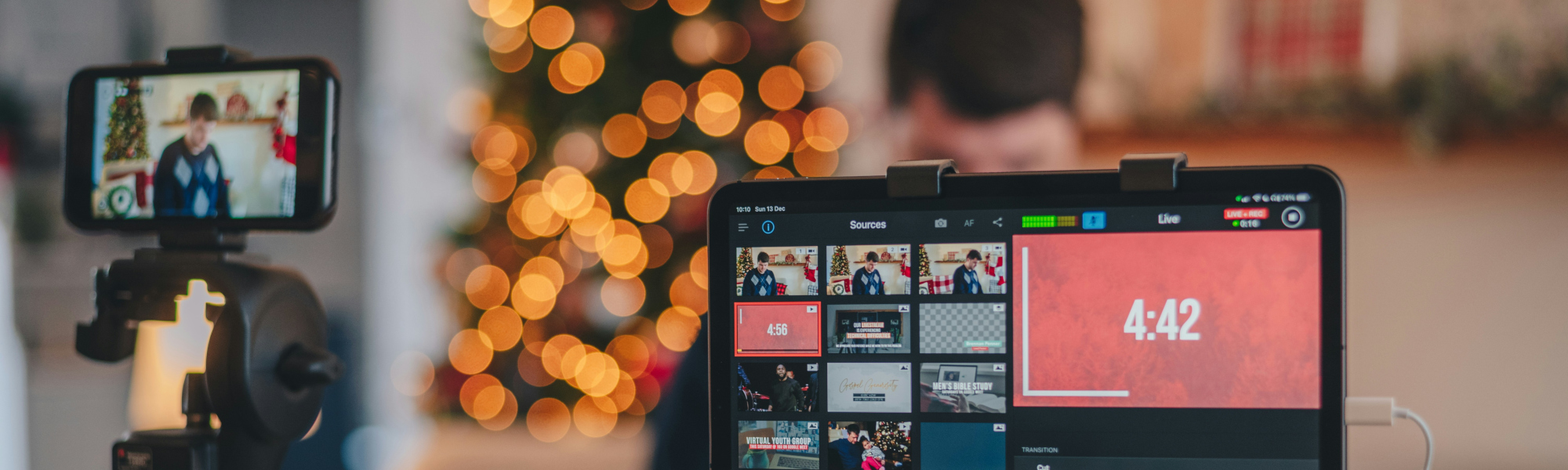

Most ecommerce websites feel very 2D, and yet we live in the 3D world. This lack of depth reduces conversions and adds friction. One way to move beyond the static, flat, and transactional environments is to embrace live commerce. You’ve probably seen live shopping late at night or stumbled upon a TikTok live of a brand selling its products.
Live shopping adds back a human connection that’s missing from ecommerce, replicating some of the best attributes of physical retail. Consumers can experience a brand in a curated environment while talking with product specialists and leveraging a unique sensory experience.
In a 2D world, brands typically compete on price, delivery speed, or discounts. Innovative brands are breaking through these by creating an immersive shopping experience across multiple paradigms, be that in a retail environment, live shopping event on YouTube, or ecommerce solution.
Live commerce represents a profound macroeconomic shift in digital distribution rather than a temporary marketing gimmick or a social media trend. It is the structural integration of real-time video broadcasting, community interaction, and instant native purchasing mechanics.
Projections indicate that the global live shopping market will be worth over $2,400 billion by 2033, signaling a permanent evolution in global consumer behavior. Brands that will survive will embrace advances in technology rather than following the same old playbook.
Expanding Customer Acquisition Methods Beyond Ads
Scaling to a $1m in sales, you can use the same methods as other brands. However, to navigate your way to $10m in revenue will involve embracing new channels and ideas.
While some competitors will be satisfied with running static ads that pushes vistiors to a cold checkout funnel and only converts 2 or 3% of visitors, you’re eager to find a new method of customer acquisition that creates long-lasting customer lifetime value and not just a single purchase from a long line of fickle customers.
Live commerce completely flips this dynamic by condensing the traditional multi-step marketing funnel into a single real-time event. When an established brand launches a strategic live shopping event, conversion rates routinely jump to 20% or higher.
This massive increase occurs because live video actively removes the psychological barriers that cause shopping cart abandonment. Instead of leaving a customer alone with their doubts on a silent webpage, a live stream provides immediate, interactive validation.
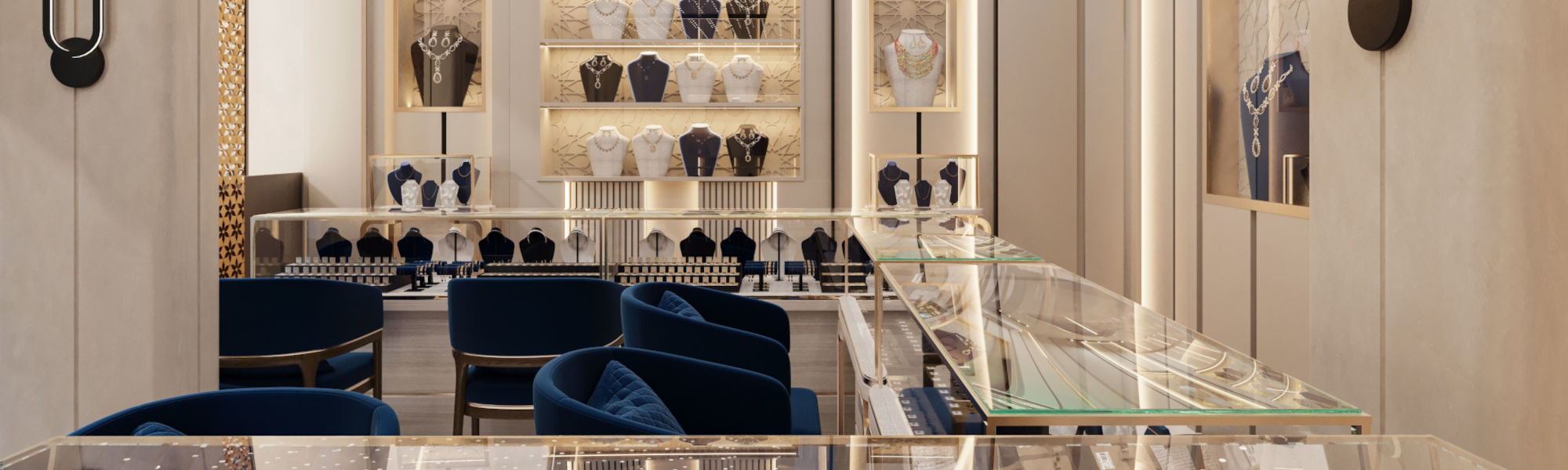
With jewelry, the customer can see the product from multiple angles, ask about sizing, and view the detailed craftsmanship that makes the piece special.
If you’re selling drinks or perfume, sadly, the viewers can’t experience the product, but you can demonstrate how to use the product for the best outcome and explore the ingredients in greater depth.
Live commerce allows high-tech brands to demonstrate how easy installation can be. Imagine watching someone installing a smart home device and showing you how to adjust the parameters. The perceived technical friction evaporates as viewers have access to a highly trained company rep who can help troubleshoot a user’s specific setup concern in real time.
By putting a knowledgeable brand representative on screen, you replace the cold anonymity of an online store with the trusted advisory relationship of physical retail. Viewers are participating in a shared community event.
The presence of other active buyers asking questions and making purchases creates immense social proof. This collective excitement drives high-intent acquisition without resorting to brand-diluting discount codes or margin-eroding flash sales.
How Live Shopping Can Improve Cash Flow
A lot of your working capital is tied up in inventory that’s sitting in a fulfillment center. Managing cash flow becomes a delicate balancing act between marketing spend and physical stock availability.
Live shopping can speed up your return on cash deployed. You don’t need to spend hours building new creatives for ads or planning how you’ll include a product in the next email blast in 3 weeks’ time. Instead, you can use live commerce to move inventory quickly.
Most of the brands I consult with have some cash tied up in dead stock. Live commerce offers the opportunity to clear warehouse backlogs without damaging its premium pricing architecture. You no longer need to discount old stock to get it moving.
A structured live event allows you to frame the sale around exclusivity, such as an archive vault opening or a limited bundle deal available only to the audience present. This approach protects your margins and unlocks cash that can be reinvested into faster-moving stock or your hero products.
Live shopping also provides us with a high-velocity testing ground for product development. Traditionally, launching a new SKU involves significant risk and upfront capital allocation. With live commerce, a founder can present a prototype or a limited batch run directly to their most loyal customers.
By monitoring the real-time chat engagement, tracking the immediate conversion velocity, and collecting direct qualitative feedback within minutes, you gain instant proof of concept.
If you run out of inventory during the live shopping event, you can instantly pivot to highlight secondary, high-margin SKUs. By being agile, you keep driving revenue efficiently without over-allocating capital or causing the customer service nightmares associated with accidental stock-outs.
Removing the Founder Bottleneck from Live Commerce
One of the biggest traps founders can fall into when considering live shopping is convincing themselves that they have to be the star. In the early days of building a consumer brand, the founder is naturally the face, the voice, and the primary storyteller.
However, scaling the brand using new channels shouldn’t be founder-led; you have enough on your plate and don’t need yet another demanding task. It’s vital you find someone who can front the broadcasts and bring your energy to the stream.
Take time to document the process into a library of SOPs and create a playbook that allows you to bring in others and maintain the quality of the output. You can then easily hand over the microphone to external hosts, trained product specialists, or specialized agency partners without diluting your brand identity.
A robust live shopping playbook should standardize the entire broadcast framework. Here are some of the element your playbook should cover:
Brand Visual Guardrails
Document the exact camera angles, lighting frameworks, and background staging environments that match your established brand guidelines. This ensures the stream always looks like a premium production rather than a messy social media stream.
Verbal Identity and Product Messaging
Define the precise value propositions for your hero products, including a list of approved safe words and banned phrases. This ensures any host you hire uses the exact vocabulary required to protect your defensive market position.
Structural Stream SOPs
Map out the literal architecture of a successful stream, from the hook in the first three minutes to the exact timing of the primary call to action.
Moving Viewers from Rented to Owned Assets
Many brands make the critical mistake of leaving their live shopping revenue entirely at the mercy of third-party social platforms. While hosting a live stream on Instagram, TikTok, or YouTube is an excellent way to borrow an established audience, relying on these channels for long-term customer retention is a dangerous strategy.
Social networks are rented real estate. Algorithm updates, policy changes, or unexpected account suspensions can wipe out your distribution network overnight, cutting you off from the community you’ve worked hard to build.
The goal of broadcasting on a rented platform is not just to secure a quick transaction, but to transfer that high-intent viewer into your owned data ecosystem. By treating your live shopping events as a high-volume conversion funnel, you can actively de-risk your consumer brand from platform volatility and build a resilient, long-lasting asset.
You can engineer this migration smoothly during the live shopping event by embedding direct incentives for data capture:
- Exclusive Community Access: Offer specific product releases, behind-the-scenes content, or archive vault sales that can only be unlocked by being on the VIP list.
- Real-Time Digital Guides: Promote high-value resources during the stream, such as a smart home installation checklist or a premium jewelry styling guide, delivered instantly via email.
- Live Interactive Q&As: Require viewers to join an owned community forum or register on your primary website to participate in high-level discussions with your product experts.
Once a casual social media viewer opts into your owned communication channels, they enter your retention architecture. You no longer have to pay ad networks to reach them with marketing messages or hope the social algorithm favors your next broadcast.
By shifting followers to owned email and SMS lists, you insulate your revenue stream from external shifts. This systematic migration ensures your live shopping engine delivers predictable, compounding growth and significantly increases your business’s value.
Aligning Live Streams with Warehouse Reality
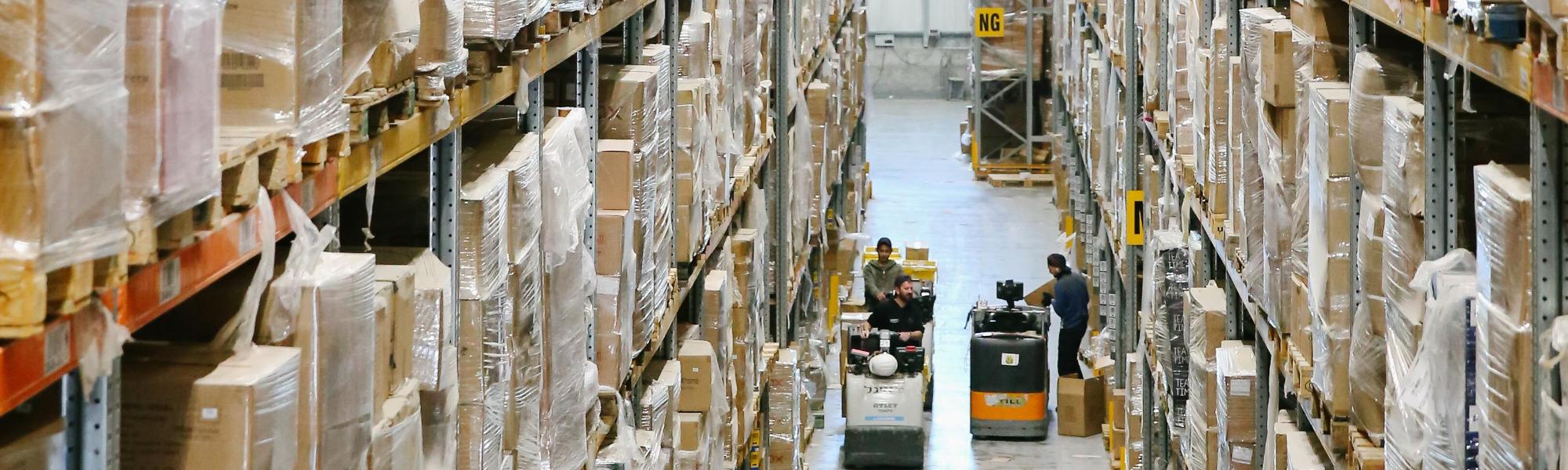
As you can’t sell inventory you don’t have, it’s vital you harmonize the marketing and operations, so they work in concert. If you’re expecting a live shopping event to drive hundreds of new sales but your logistics are not synchronized with that spike in volume, you won’t build a sustainable channel. Instead, you create an operational bottleneck.
By using real-time information, the live shopping team can ensure they promote products in stock and not those with low inventory that take 3 weeks to produce. Live shopping gives you the unique power to steer consumer demand on the fly and keep revenue flowing without triggering a wave of backorders.
When a customer experiences the high-energy excitement of a live purchase, they simply can’t wait to unbox. If your third-party logistics provider takes two weeks to ship those orders due to a lack of preparation, the excitement turns to regret.
You must treat your logistics as part of the live shopping value proposition. Ensuring your warehouse has the headcount and physical stock staged for immediate dispatch turns a flash transaction into a long-term customer.
Measuring What Matters on Your Live Commerce Dashboard
Most founders fixate on metrics that don’t matter. The number of viewers, likes, or comments doesn’t drive revenue. Strategic scaling requires a single source of truth that connects your live video performance directly with your financial and operational levers.
To maintain commercial excellence, your live shopping metrics must be pulled into a unified growth dashboard that tracks true enterprise value.
Conversion Velocity and Customer Acquisition Cost
Instead of just measuring final sales, look at how quickly viewers convert during the stream. A high conversion velocity means your real-time messaging and trust accelerators are working effectively to eliminate shopping cart abandonment.
You must blend this data with your actual customer acquisition cost to ensure the channel remains highly profitable when compared to traditional static ads.
Contribution Margin per Stream
Don’t let a high revenue number blind you to the underlying costs of delivery. Your dashboard must factor in host fees, production tech expenses, product packaging architecture, and courier shipping rates against the total sales generated during the event.
Tracking your true contribution margin ensures you are building a profitable engine rather than chasing empty turnover.
Rented to Owned Migration Rate
This is the ultimate metric for long-term business resilience. Track the precise percentage of live viewers who actively move from the social platform chat into your owned email and SMS databases during the broadcast. If you are generating transactions but failing to capture subscriber data, you are still relying on rented real estate, which limits your future valuation.
Future Proofing Your Consumer Brand
Live shopping isn’t a fleeting trend or another short-term marketing hack that will soon be eclipsed by a new platform algorithm. It is the natural, necessary evolution of how modern consumers interact with brands online.
By bridging the gap between flat digital storefronts and the interactive trust of a physical, human interaction, live commerce gives scaling brands a distinct unfair advantage.
If your growth remains entirely dependent on top-of-funnel ad efficiency, your margins will always be vulnerable. Embracing live shopping events allows you to systematically lower acquisition costs, unlock trapped capital in your warehouse, and insulate your community from rented social media real estate.
The final test for any founder looking to scale is simple. If an institutional investor or a major retail partner looked at your digital brand presence today, would they see a sophisticated, systems-driven business or just a successful product?
If your current online store still feels like a series of cold, disjointed transactions, now is the time to build depth. By professionalizing your live video infrastructure, standardizing your broadcast playbooks, and aligning your streams with operational reality, you aren’t just driving immediate revenue spikes. You are engineering a resilient, highly valued, future-proof brand that is built to last.
Ready to move beyond the cycle of tactical experimentation and adopt a more strategic approach to growth?